U.S. Measles Cases Top 5,000 Across 45 States
U.S. Measles Cases Top 5,000 Across 45 States
Reports citing Centers for Disease Control and Prevention (CDC) surveillance data say the United States has recorded more than 5,000 measles cases, with infections confirmed in 45 states. The milestone is a significant public health concern because measles is one of the most contagious human diseases and can spread quickly when immunity gaps exist.
ABC News and related reports identified the total and geographic distribution in coverage based on CDC data (Source 1). A separate summary also reported more than 5,000 cases and infections confirmed in 45 states (Source 3).
The exact total can change as state and local health departments confirm infections, revise earlier reports, remove duplicate records, and update surveillance systems. The reported case count does not show how many people are currently contagious. Check the CDC measles data page for the latest figures.
What the CDC Data Shows
More Than 5,000 Reported Cases
The milestone means that more than 5,000 measles infections have been included in national surveillance reporting. Totals generally reflect infections reported by jurisdictions and accepted under public health surveillance definitions.
Counts may change when:
- Laboratories confirm or rule out suspected infections.
- Health departments complete case investigations.
- Duplicate reports are removed.
- Cases are reclassified after additional evidence.
- Jurisdictions submit updated information.
A national case count is a surveillance snapshot, not a permanent final number. It also differs from the number of people who are actively contagious on a particular day.
Cases Confirmed in 45 States
Infections confirmed in 45 states show that reported cases are distributed across a large part of the country. This broad distribution increases the possibility that imported infections could trigger local clusters in communities with insufficient immunity.
Transmission can occur in households, schools, child care facilities, workplaces, health care settings, airports, public transportation, and crowded indoor gatherings.
“Confirmed in 45 states” does not mean that all 45 states have sustained community transmission. Some may have isolated or imported cases, while others may be investigating linked clusters or broader outbreaks. Case numbers, transmission duration, and local risk can differ substantially by jurisdiction.
Why Measles Matters
Measles spreads through the air when an infected person coughs, sneezes, or breathes. The virus can remain in an indoor area after the infected person has left. People can also spread measles before recognizing the illness.
Early symptoms may resemble other respiratory infections, delaying diagnosis and increasing exposure. Risk is highest for people without immunity from vaccination or previous infection.
Higher-risk groups include:
- Infants too young for routine vaccination.
- Pregnant people.
- People with weakened immune systems.
- Unvaccinated children and adults.
- People with certain underlying medical conditions.
Complications can include pneumonia, dehydration, ear infections, brain inflammation, and other serious outcomes.
Symptoms and Warning Signs
Early symptoms commonly include:
- Fever.
- Cough.
- Runny nose.
- Red or watery eyes.
- Fatigue.
- General malaise.
The characteristic rash often begins on the face or hairline and spreads downward to the neck, trunk, arms, and legs. A rash alone cannot confirm measles because other infections and medical conditions can cause similar symptoms.
People who may have measles should call a health care provider before visiting a clinic, emergency department, or urgent care center. Advance notice allows staff to reduce exposure to other patients and workers.
Seek urgent medical advice for difficulty breathing, dehydration, persistent or severe fever, confusion, unusual drowsiness, seizures, or symptoms in an infant, pregnant person, or someone with a weakened immune system.
How Measles Spreads During an Outbreak
One infected person can expose household members, classmates, coworkers, health care workers, and other close contacts. Imported cases may lead to clusters or outbreaks when susceptible people are present.
Public health officials may respond with:
- Case investigation.
- Contact tracing.
- Exposure notifications.
- Laboratory testing.
- Isolation guidance.
- Vaccination clinics.
- Monitoring of exposed people.
- Coordination with schools, hospitals, and workplaces.
People who receive an exposure notice should follow the instructions provided, even if they feel well.
MMR Vaccination
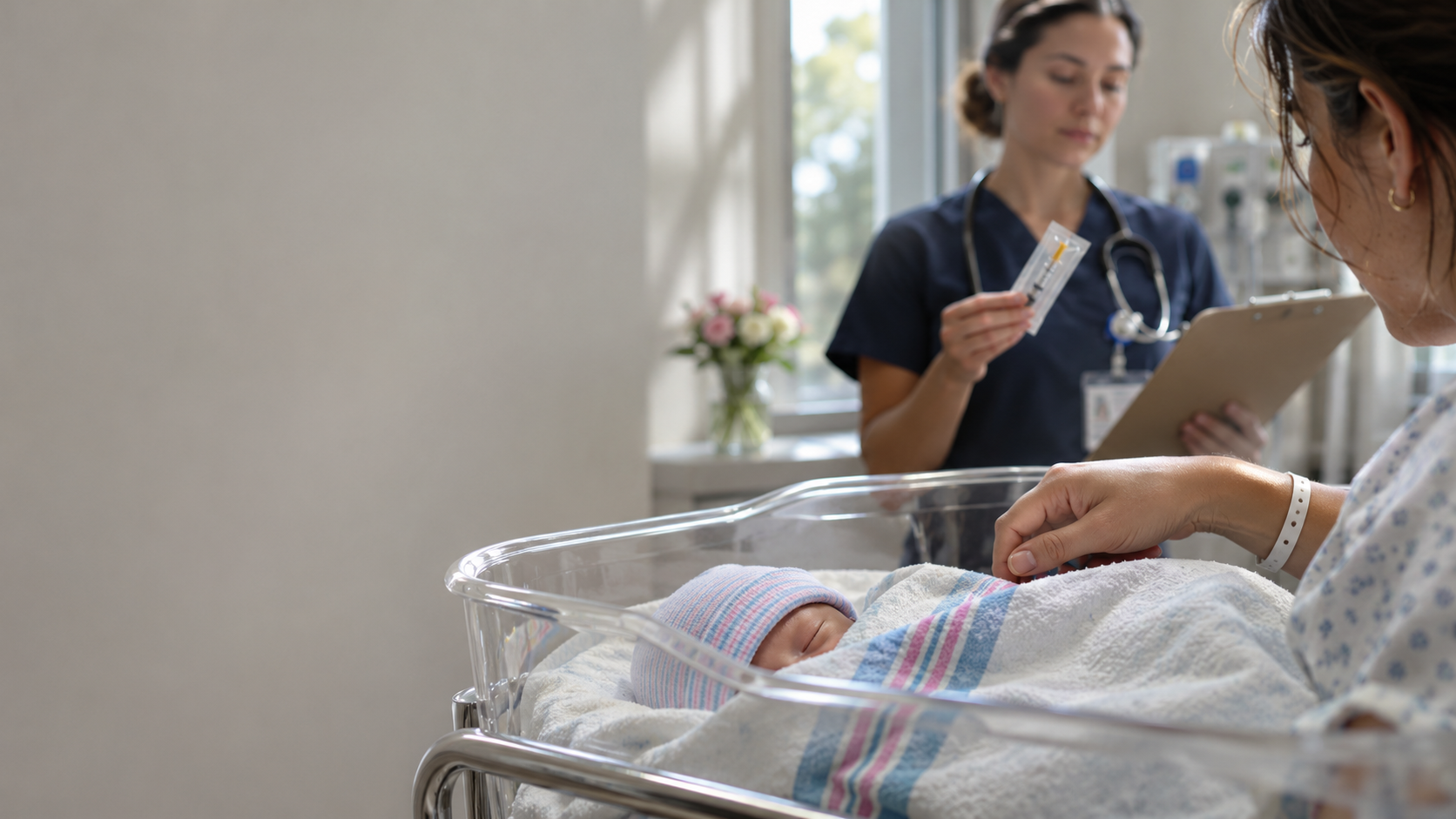
The measles, mumps, and rubella (MMR) vaccine is the primary protection against measles and helps reduce transmission. The standard childhood schedule uses two doses, with the first generally given in early childhood and the second before school entry under current CDC recommendations.
Guidance may differ for infants traveling internationally, adults without documented immunity, health care workers, people exposed during an outbreak, and people with specific medical conditions. Children who miss a dose may be eligible for catch-up vaccination.
Adults can check immunization, school, employment, state registry, and health care records. People without reliable documentation should consult a licensed health professional rather than rely on memory.
Mild vaccine reactions can include soreness, fever, or a temporary rash. Serious reactions are uncommon. Discuss allergies, pregnancy, immune conditions, and other medical concerns with a health professional before vaccination.
What to Do After Possible Exposure
Call a health care provider or local health department before arriving in person. Provide the date and location of exposure, vaccination history, current symptoms, travel history, and information about potentially exposed household members.
Follow instructions about staying home, monitoring symptoms, testing, vaccination, and isolation. Avoid schools, workplaces, public transportation, crowded indoor settings, and medical waiting rooms until a professional provides guidance.
Exposed household members should monitor for fever, cough, runny nose, red or watery eyes, and rash. Pay particular attention to infants, pregnant people, and immunocompromised household members.
What the 5,000-Case Milestone Does Not Show
The national count does not describe every person’s individual risk. Risk depends on vaccination status, age, local transmission, exposure history, immune status, and access to medical care.
The figure also does not confirm widespread or ongoing transmission in every state. Local health departments can provide information about current exposures, school notices, vaccination clinics, and outbreak conditions.
This article provides general public health information, not a diagnosis or individualized treatment recommendation. Contact a licensed health professional about vaccination, suspected exposure, pregnancy-related concerns, immune conditions, or symptoms.
How Communities Can Reduce Transmission
Families should keep routine vaccinations current and arrange catch-up doses when necessary. Depending on eligibility and local rules, vaccination may be available through pediatric practices, pharmacies, schools, and health departments.
Use information from the CDC, state and local health departments, licensed health professionals, and official school or workplace health notices. Avoid relying on anonymous social media posts, unsourced case maps, or outdated articles.
Prompt reporting and cooperation with health departments help officials identify exposed people and reduce transmission in schools, hospitals, workplaces, and other congregate settings.
Conclusion
Reports based on CDC data say U.S. measles cases have surpassed 5,000, with infections confirmed in 45 states (Source 5). Local risk varies, and health departments may revise totals as new information becomes available.
Check MMR vaccination records. Anyone with possible exposure or symptoms should call a health care provider or local health department before visiting a facility.
Frequently Asked Questions
How many measles cases have been reported in the United States?
The cited reports state that the United States has surpassed 5,000 measles cases. The CDC total may change as cases are confirmed and existing reports are reviewed. Check the CDC measles surveillance page for updates.
In how many states have measles infections been confirmed?
The cited reporting indicates that infections have been confirmed in 45 states. This does not necessarily mean every state has ongoing, widespread community transmission.
What are the first symptoms of measles?
Common early symptoms include fever, cough, runny nose, red or watery eyes, and fatigue. A rash often appears later, beginning on the face and spreading downward.
How can people prevent measles?
The MMR vaccine is the primary prevention method. Check vaccination records and ask a health professional about missing or uncertain doses. Follow local exposure, isolation, and vaccination guidance during an outbreak.
What should someone do after possible exposure?
Contact a health care provider or local health department by phone. Provide exposure, vaccination, travel, and symptom details, then follow instructions about testing, vaccination, monitoring, and isolation.
Who faces the greatest risk of serious complications?
Infants, pregnant people, immunocompromised individuals, unvaccinated people, and those with certain health conditions face higher risks. They should receive prompt professional guidance after possible exposure or when symptoms develop.