How Security and Coalition Math Will Shape Israel’s Election
How Security and Coalition Math Will Shape Israel’s Election
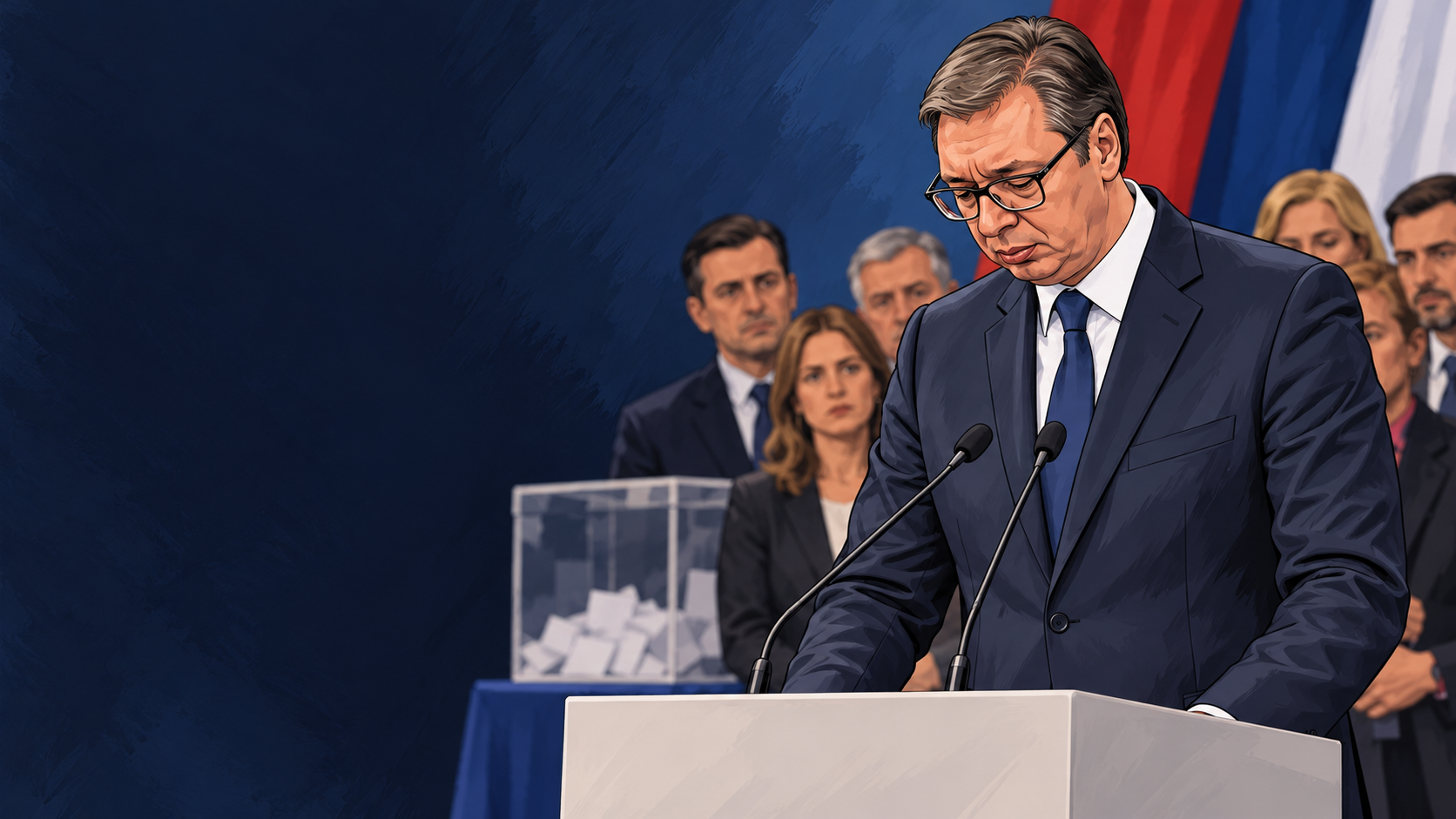
Israel’s next election will be shaped by two forces: public judgment over national security and the parliamentary arithmetic required to form a government.
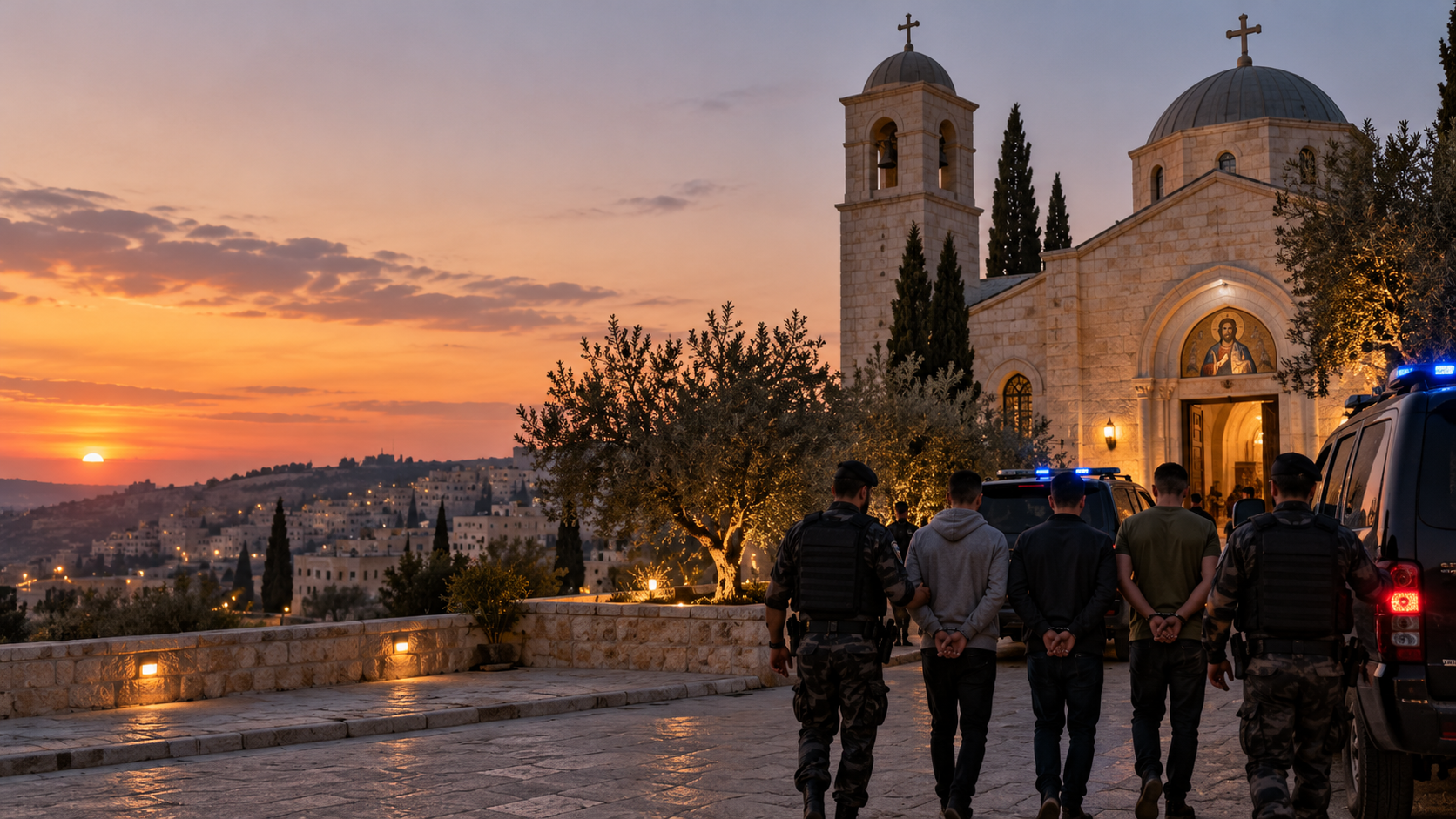
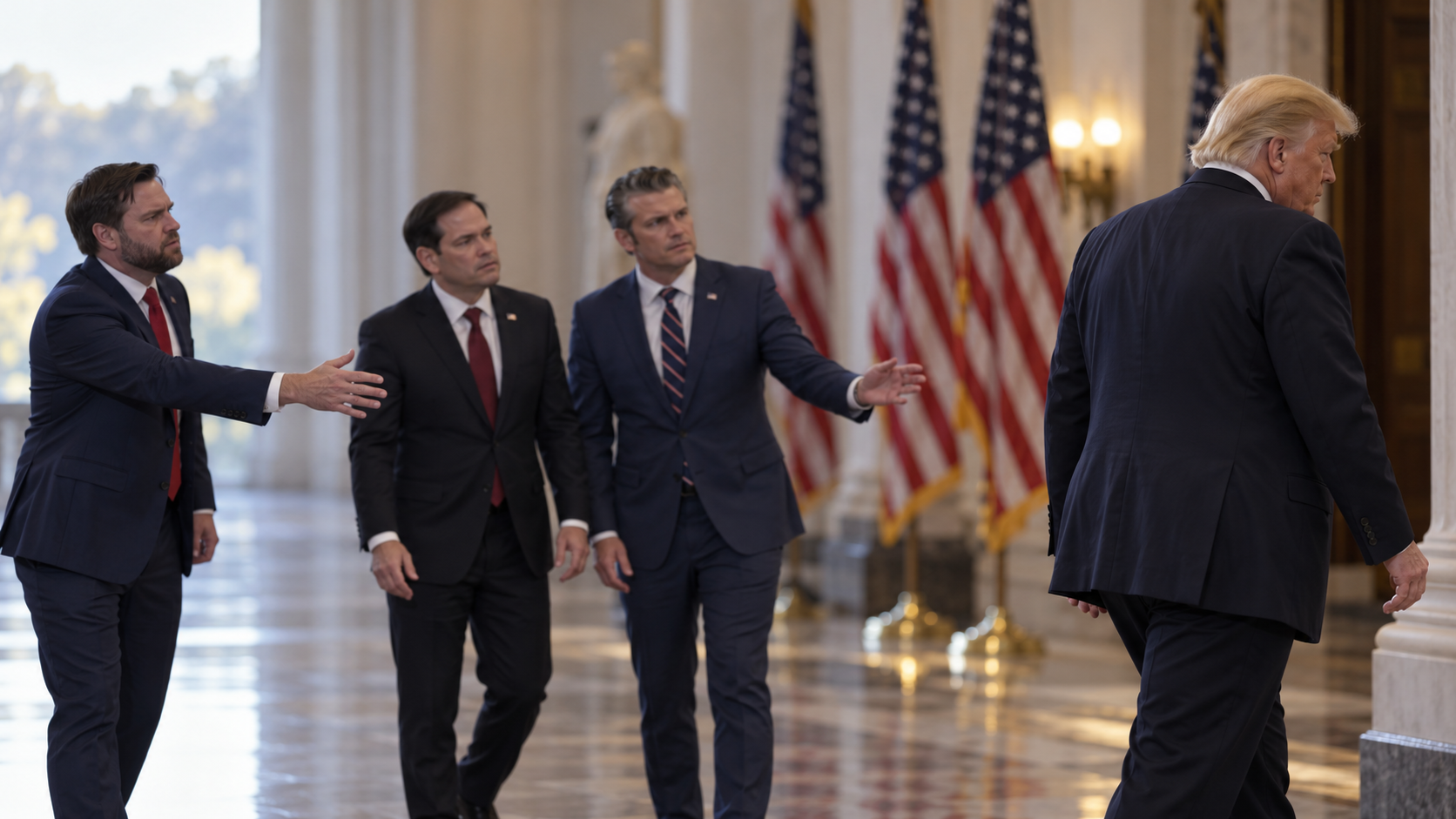
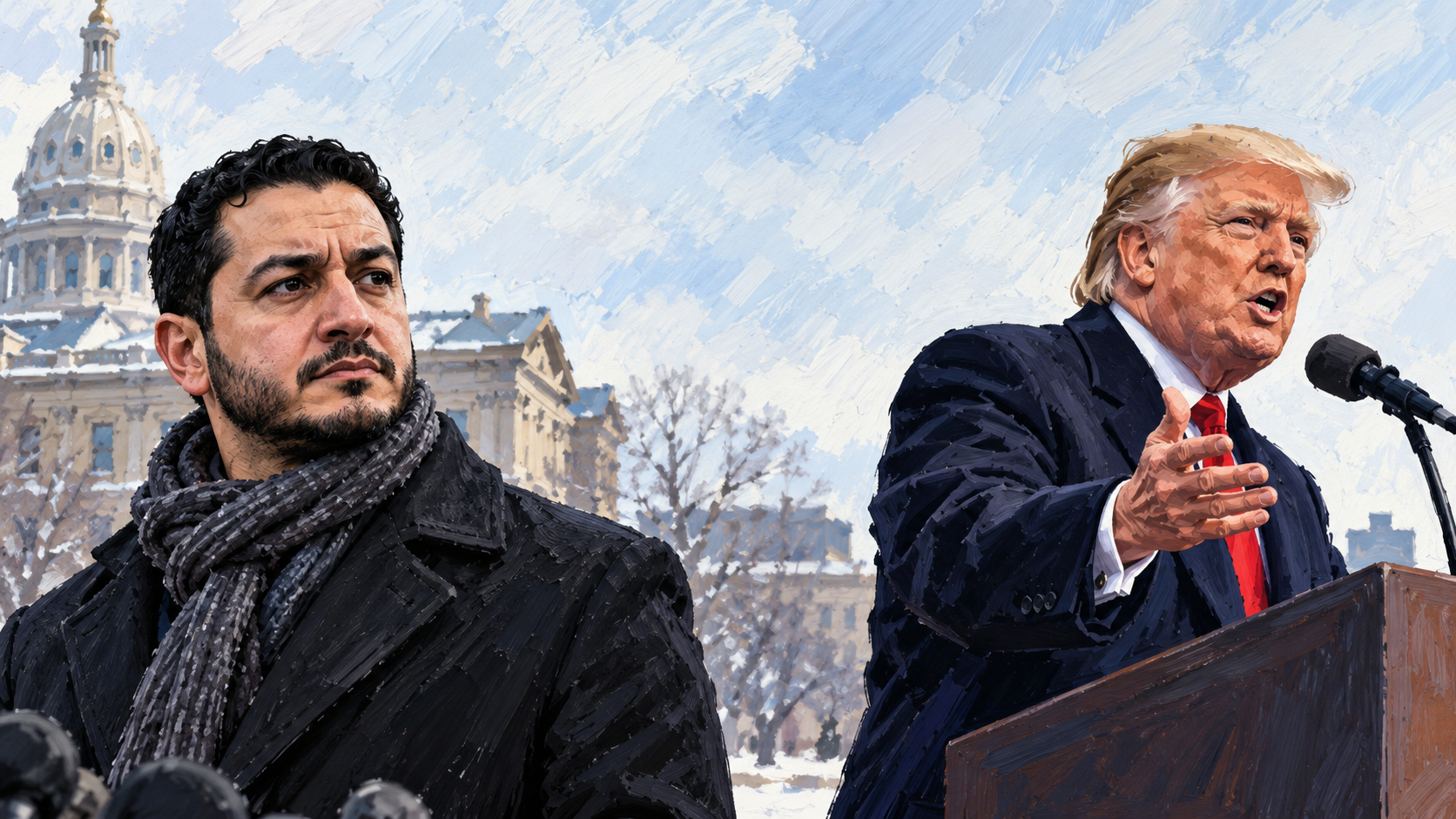
The vote is likely to serve as a referendum on leadership after the October 7 attacks, the ensuing war, the hostage crisis and Israel’s broader confrontation with regional threats. Voters will assess whether Benjamin Netanyahu represents experienced leadership during an extraordinary security crisis or whether the attacks exposed a failure that requires political change.
The result, however, will not be determined by the leading party alone. Israel’s Knesset has 120 seats, and a governing coalition generally needs the support of at least 61 members. The largest party does not automatically produce the prime minister. The decisive question is whether Netanyahu or his opponents can assemble a coalition that is both numerically viable and politically sustainable.
This combination of security concerns and coalition mathematics makes the election unusually consequential. It will determine not only who leads Israel, but also how the country handles accountability, military policy, regional diplomacy and the postwar political order.
How October 7 Changed the Political Debate
Security became the defining election issue
Before October 7, Israeli political debate focused on familiar disputes over the economy, religion and state, judicial reform, settlements and social policy. The attacks moved security to the center of nearly every political argument.
Voters are likely to consider whether the next government can prevent another large-scale attack, protect communities near conflict zones and restore confidence in intelligence and military institutions. The safe return of hostages, the management of prolonged military operations and the protection of displaced civilians will also influence their decisions.
The attacks created a difficult political balance. Leaders with military or security experience can argue that national emergencies require continuity and proven expertise. At the same time, the scale of the security breakdown gives opponents an opportunity to argue that the existing leadership failed at its most important responsibility.
The election therefore presents voters with two competing questions:
- Which leadership team can best protect Israel now?
- Which leadership team should be held responsible for the conditions that allowed the attacks to occur?
Some voters may prioritize deterrence and military strength. Others may prioritize investigations, institutional reform and a change in political direction.
The failure narrative creates pressure on Netanyahu
Political critics have linked Netanyahu’s government to questions about preparedness, intelligence assessments, border security and the response to the October 7 attacks. The “failure” narrative does not establish legal responsibility by itself, but it has become central to the public and political debate.
Opponents can present the attacks as evidence of leadership failure. Their argument may distinguish among responsibility for the initial security breakdown, responsibility for wartime decisions and responsibility for the longer-term regional strategy that preceded the crisis.
These are separate questions. A leader may face criticism for one without voters reaching the same conclusion about all three. The election will test whether the public views the attack primarily as an institutional failure, a government failure or an unavoidable consequence of a dangerous regional environment.
The political impact could be significant for Netanyahu. ThePrint’s analysis identifies the October 7 failure narrative and tensions involving Iran as factors that could complicate his attempt to win another election Source 7.
Wartime leadership can also help an incumbent
The same crisis that damages an incumbent can strengthen the argument for continuity. Netanyahu can point to his experience with national security, regional threats and diplomatic relationships. He can argue that Israel should not change leadership while it faces active conflict and threats from several directions.
That argument faces serious counterclaims. Voters may question the initial security failure, the handling of hostages, the human and economic cost of the war and the absence of a clear long-term strategy. Wartime experience is an asset only if voters believe it has produced effective decisions.
Iran and Regional Conflict Expand the Stakes
Israel’s election will not be determined solely by conditions along its immediate borders. Tensions involving Iran have expanded the security debate to include missiles, drones, proxy networks and the risk of escalation across several fronts.
A government may seek to restore deterrence through a tougher posture, or it may emphasize restraint and diplomatic coordination to prevent a wider regional war. Both approaches can be presented as security policies, and neither fits neatly into a simple hawkish-versus-dovish divide.
Iran-related tensions could also affect the timing of an election. A campaign may take place while military operations continue or while the government manages a rapidly changing regional crisis. Voters may reward leaders who project decisiveness, but they may also punish policies viewed as increasing the risk of uncontrolled escalation.
ThePrint connects Netanyahu’s electoral challenge to both the October 7 failure and Iran-related tensions Source 7.
What Is at Stake for Benjamin Netanyahu?
The election will test whether Netanyahu can retain support after the attacks and the subsequent war. His political case rests on experience, continuity and the claim that Israel needs a leader capable of managing unprecedented threats.
His opponents will make the opposite case. They will argue that the government failed to protect the country and that the crisis requires new leadership, stronger oversight and institutional repair.
The personal nature of Israeli politics makes this contest particularly important. Voters choose party lists for the Knesset rather than directly electing a prime minister, but campaigns often revolve around the leadership credibility of the candidates seeking to form the government.
The Atlantic Council describes Israel’s first elections since October 7 as a vote with broad implications for the country’s political future Source 3.
Netanyahu must also protect support among right-wing and religious parties while appealing to security-focused voters who may prefer a change in leadership. His campaign may emphasize national survival, deterrence and continuity. Opponents are likely to emphasize accountability, institutional reform, hostage negotiations and regional diplomacy.
The Times of India frames the election around Netanyahu’s political stakes, his challengers and the number of seats required to form a government Source 5.
Security issues alone may not secure a majority. A strong result for Netanyahu’s party would not automatically produce a Netanyahu government. Smaller parties may determine which bloc reaches 61 seats, while rival parties may refuse to join a coalition led by him.
The Opposition’s Challenge
Criticism of Netanyahu may create momentum, but it does not automatically form a government. Opposition parties must identify who would lead the country, how the new government would improve security, what changes it would make to military and intelligence oversight, how it would handle the war and hostage negotiations, and which parties would join the coalition.
A broad anti-Netanyahu platform may unite voters during the campaign but fracture during coalition negotiations. Challengers therefore need to present a governing alternative, not only a case against the incumbent.
They must also bridge ideological divisions over Gaza’s future, relations with Arab-led parties, religious-state policy, settlements, judicial questions, military exemptions and hostage negotiations. Winning enough seats to replace Netanyahu is only the first stage; the parties must then agree on a leader, a security strategy and a governing program.
Coalition Math: Why 61 Seats Matter
The Knesset has 120 seats. A government generally needs the support of at least 61 members to pass a confidence vote and govern.
The largest party does not automatically form the government. The president consults party leaders and assigns a candidate the task of forming a coalition under the constitutional process in force at the time. That candidate must negotiate with other parties and secure sufficient parliamentary support.
Three totals must be distinguished:
- A party’s individual number of seats.
- The combined strength of a broader ideological bloc.
- The number of parties formally supporting a government.
A party can lead the election but lack natural allies. Several medium-sized parties can hold more influence than one large party if they control pivotal seats. A bloc can also lead the popular vote but remain below 61.
Parties near the electoral threshold can have an outsized effect. If one enters the Knesset, its seats may complete a governing bloc. If it falls below the threshold, those votes do not produce representation, and other parties may gain seats in the redistribution.
Sixty-one seats may be mathematically sufficient but politically fragile. A coalition with no margin faces risks from absences, defections and disputes over budgets, military policy and ministerial appointments. A broader coalition may offer greater stability but require more ideological compromise.
Security Policy and Coalition Compatibility
Right-wing and religious parties may demand a tougher military policy, territorial measures, limits on concessions during negotiations and greater influence over defense and national policy. These demands may make coalition formation easier within a right-wing bloc but harder if the government seeks support from centrist or Arab-led parties.
Centrist parties may seek independent investigations into the October 7 failures, professional security decision-making and a national-unity government. They may also demand clearer hostage and postwar strategies, stronger oversight of emergency powers and limits on political interference in military institutions.
Arab-led parties may influence coalition mathematics without entering the cabinet. They could join a coalition, support a government from outside, abstain during a confidence vote or refuse to recommend any candidate. Each option carries different political consequences.
Israel’s Broader Political Future
The election may determine whether the next government pursues investigations and reforms related to the October 7 failures, including intelligence oversight, civilian-military relations, emergency decision-making, cabinet structure and national preparedness.
It may also influence military operations, hostage negotiations, border security and the governance or reconstruction of Gaza. Coalition agreements will define the government’s mandate and limits.
Coalition composition will affect relations with the United States and other international partners. Key issues may include civilian protection, arms and diplomatic support, Iran policy, regional normalization and international legal pressure.
What to Watch After the Vote
- Bloc totals: Determine whether the Netanyahu-aligned bloc reaches 61 seats.
- Threshold parties: Their inclusion or exclusion can change the coalition landscape.
- Party recommendations: These indicate which candidate has the clearest path to forming a government.
- Coalition red lines: Security portfolios, investigations, religious policy, military service, hostage negotiations and postwar arrangements will reveal the likely policy direction.
- Formation talks: Possible outcomes include a stable majority, a narrow coalition dependent on outside support, a national-unity government, a failed coalition attempt or another election.
Conclusion
Israel’s election will test whether voters trust Netanyahu or seek new leadership, which party can offer a credible security strategy and which bloc can assemble and maintain at least 61 seats.
The October 7 attacks placed preparedness, intelligence, military leadership and accountability at the center of the debate. Iran and regional conflict have expanded the stakes, forcing parties to address deterrence, escalation and diplomacy. Yet security arguments alone will not determine who governs.
Coalition mathematics will decide whether a party leader can turn votes into power. Small parties, threshold results and post-election bargaining may prove as important as the identity of the largest party.
FAQ
How many seats are needed to form a government in Israel?
The Knesset has 120 seats, so a governing coalition generally needs support from at least 61 members. The largest party does not automatically form the government.
Why is October 7 central to the election?
The attack raised questions about national preparedness, intelligence failures, military leadership and government accountability. It also made security, hostage negotiations and wartime strategy central campaign issues.
Can Netanyahu win the most seats but fail to become prime minister?
Yes. A party can lead the vote but lack enough allied parties to reach 61 seats. Rival parties can also refuse to join a coalition led by its leader.
How could tensions with Iran affect the election?
Iran-related tensions can increase the importance of deterrence, military readiness and regional diplomacy. They may benefit experienced security leaders while intensifying criticism of policies viewed as increasing the risk of a wider war.
Why do small parties matter so much?
Small parties can determine whether a bloc reaches the 61-seat threshold. A party entering or missing the Knesset can change the distribution of seats and gain leverage during coalition negotiations.
What should analysts watch after the results?
They should watch bloc totals, parties near the electoral threshold, coalition recommendations and demands involving security, investigations, religious policy and postwar strategy.