Atlanta Dream Sell Out WNBA Finals Game 6
Atlanta Dream Sell Out WNBA Finals Game 6
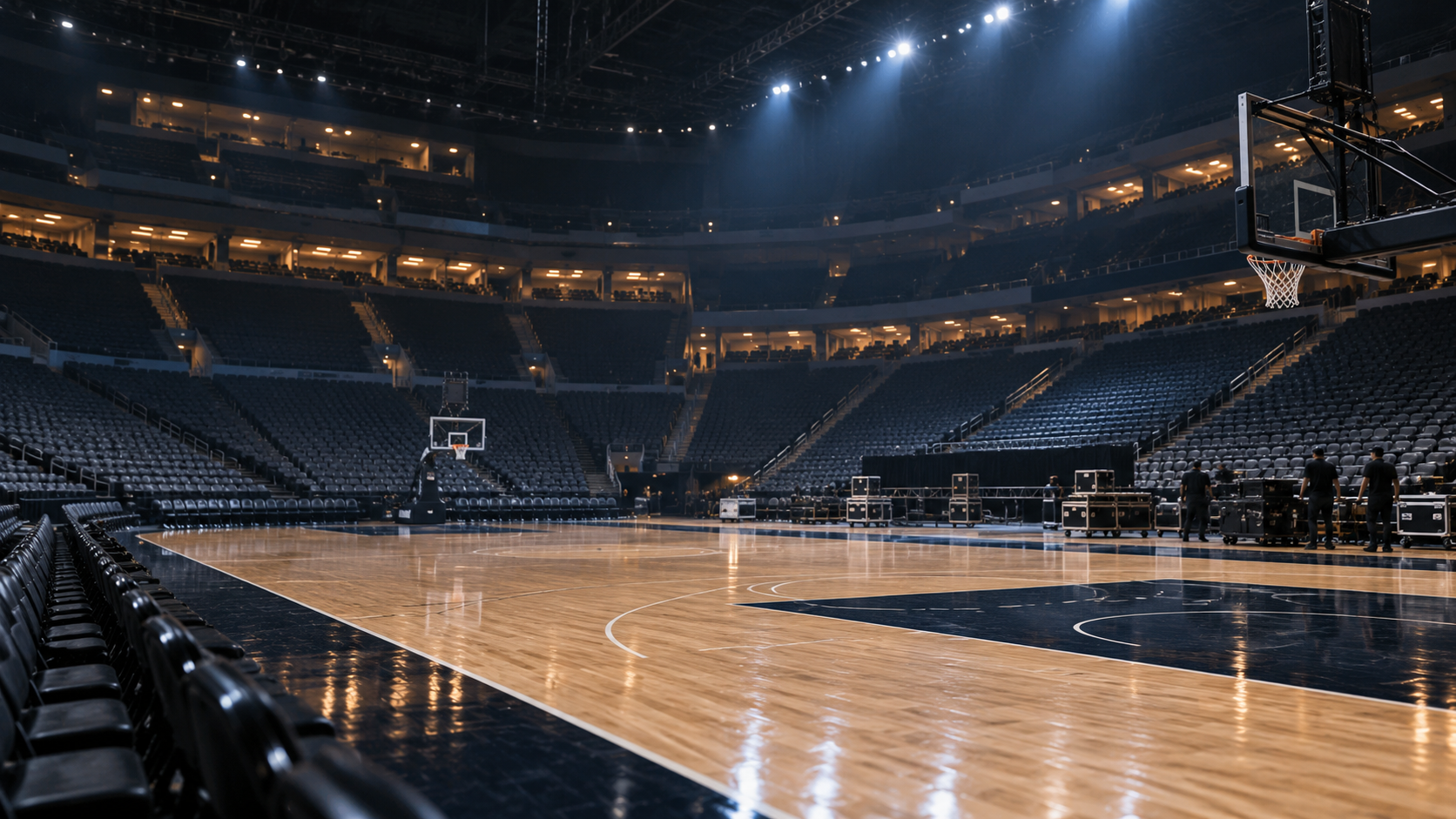
The Atlanta Dream announced that WNBA Finals Game 6 against the Golden State Valkyries had sold out, highlighting strong demand for a decisive championship matchup despite controversy over the game’s scheduling.
The announcement reframes the story. The open question is no longer whether Atlanta would draw a crowd, but how that crowd was asked to attend. Game 6 became an elimination game for Atlanta after the Finals schedule changed. The Dream must win to extend the series, while Golden State can finish the championship if it holds the required lead. Reports also placed the game in an unusual Thursday afternoon television window, raising concerns about fan access, player preparation, and the logistics of hosting a Finals contest.
Why Game 6 Matters
Atlanta enters Game 6 facing elimination. A loss ends the Dream’s championship run, while a victory keeps the series alive. That immediate consequence likely increased interest among supporters who wanted to attend a potentially decisive home game.
The sellout announcement confirms that the Dream’s available ticket inventory was sold. It does not establish an attendance record or confirm the arena’s exact capacity. Source 1
Stakes on Both Sides
The series state shapes behavior on and off the court. Atlanta plays without margin: every possession carries season-ending weight, and the home crowd shifts from atmosphere to pressure release. Golden State plays with the opposite incentive, holding the chance to close the series and avoid a return fixture. Both dynamics feed ticket demand, because a game that can end a season is a different product from a mid-series game with a guaranteed next date.
What “Sold Out” Covers
A sellout announcement describes the team’s available inventory, not the building’s full seat map. Primary inventory, holds, accessibility seating, and allocations handled outside the public sale sit in different buckets. The claim also says nothing about resale supply, which can remain active after the primary market closes. Read “sold out” as a statement about the team’s own sales channel, not as proof that no seat can be purchased.
Scheduling and Venue Concerns
CBS Sports reported that Game 6 was scheduled for 12:30 p.m. on a Thursday and described criticism from the Dream over the unusual timing. A weekday afternoon start can create difficulties for fans with work, school, childcare, or travel commitments. It also requires players, broadcasters, security teams, vendors, and arena staff to operate on an accelerated daytime schedule. Source 9
ESPN also reported that the Dream had raised concerns about venue availability and that those warnings were not acted on. The report should remain attributed to ESPN unless the team, league, or venue provides additional documentation. Source 3
Venue planning affects ticket inventory, court preparation, broadcast equipment, security, transportation, locker-room access, and fan communications. The available reports establish the main dispute but do not provide a complete official chronology of the schedule change.
Why a Venue Question Becomes a Schedule Question
A Finals game needs the arena free for a contiguous block, not just for the tipoff. Conversion work, broadcast rigging, security sweeps, team arrivals, and load-out all consume time before and after the game. When availability narrows, the schedule absorbs the constraint, and the start time becomes the variable that moves. That chain explains how a venue issue reported by ESPN surfaces publicly as a 12:30 p.m. weekday tipoff reported by CBS Sports. The reporting establishes the dispute; it does not establish who made each decision or when.
The Cost of a Daytime Tipoff
A weekday afternoon start shifts costs onto groups rather than eliminating them. Fans absorb schedule conflict. Arena and event staff absorb compressed setup windows. Teams absorb a routine built around a daytime start instead of an evening one. Broadcasters absorb a different advertising environment. None of these effects prove the decision was wrong; they identify who bears the burden and why the Dream’s objection became public.
Why a Sellout Can Coexist With $23 Tickets
Yahoo Sports reported that some Game 6 tickets were available for as little as $23, prompting criticism of the afternoon tipoff. That figure should be treated as a reported resale price unless official documentation shows otherwise. Source 5
Low resale prices and a sellout are not contradictory. Resale listings reflect individual sellers, seat locations, fees, and specific moments in the market. A fan who can no longer attend a weekday afternoon game may accept a discount, while premium seats remain more expensive. Official ticket inventory and resale availability are separate indicators.
How Resale Pricing Behaves
Resale is a matching market, not a single price. A seller facing a fixed deadline — a weekday afternoon game — has fewer chances to wait for a better offer, so asking prices can fall. That movement can be concentrated in specific sections, quantities, or listing times. A low asking price is also not a completed sale. Reported listings, asking prices, and transaction prices are three different measurements, and only the first is visible from outside the platform.
Reading a Single Price Correctly
One listing at $23 describes one seller’s ask at one moment. It does not describe the cheapest seat available, the average price, or demand across the arena. A defensible price claim needs the platform, the section, the quantity, the fees included or excluded, and the timestamp. Without those details, the number works as a signal of seller urgency, not as a market summary.
What the Sellout Means
The sellout demonstrates that Atlanta supporters wanted to attend a high-stakes home Finals game despite the inconvenient timing. It may strengthen local fan engagement, sponsor interest, media attention, and investment in future Finals events.
It does not resolve the scheduling debate. Four questions remain distinct:
- Do fans want to attend?
- Can fans attend conveniently?
- Did the teams receive adequate notice?
- Did the league choose an effective broadcast window?
The sellout answers the first question but does not settle the others.
Separating Demand From Access
Demand and access are different tests. A sellout measures willingness to pay and willingness to rearrange a day. Access measures whether the arrangement was reasonable. A market can pass the first test and fail the second, and that combination is what the reporting describes: strong sales alongside public criticism from the home team.
What the Team and League Gain
For the Dream, the announcement is evidence of market strength in a season that reached the Finals. For the league, it is evidence that the matchup sells while leaving the broadcast-window question open. For sponsors and media partners, it is a measurable signal of attention around a single game. None of those readouts answers the notice question raised in the venue reporting.
What to Verify Before Publication
The official Game 6 date, tipoff time, arena, schedule-announcement date, venue status, series score, and ticket-inventory details should be confirmed through league and team records. The source of the reported $23 price should also be identified, including the platform, section, fees, and timestamp.
Checklist Order
Work from the most authoritative record outward. League and team records settle date, time, venue, and series state. The team’s own announcement settles the sellout claim. Platform data settles resale pricing. Reporting from CBS Sports, ESPN, and Yahoo Sports settles what was said and by whom, not what the underlying documents say.
Language to Avoid
Avoid writing that the arena set an attendance record, that $23 was the cheapest seat, or that the league ignored the Dream, unless a document supports the first two and the ESPN attribution supports the third. Keep “reported” attached to the resale figure and keep the venue claim tied to ESPN.
Game 6 carries championship consequences for both teams. Atlanta needs a victory to continue the Finals, while Golden State has the opportunity to close out the series. The sellout confirms the scale of the moment, but it does not predict the result or erase concerns about access and scheduling.