Alexander Skarsgård’s Viral Wicker Transformation Explained
Alexander Skarsgård’s Viral Wicker Transformation: Why Audiences Cannot Look Away
Alexander Skarsgård’s reported transformation in Wicker has become one of the internet’s strangest movie obsessions. The central image is simple but unforgettable: Skarsgård appears as a husband connected to a basket or wicker-based form, creating a romantic figure unlike anything audiences usually see on screen.
The premise has inspired fascination, jokes, reaction posts and intense online curiosity. Reports have focused on why audiences, particularly women, have responded so strongly to the character despite—or perhaps because of—his unconventional appearance. Yahoo described viewers as “slightly feral” over Skarsgård’s role, while BBC coverage examined the romantic appeal of a film built around a husband made from a basket. Source 1 Source 9
What Is Wicker About?
Available reporting presents Wicker as a high-concept story involving a woman and a husband made from, or associated with, a basket or wicker construction. The exact plot, character names and official genre should be confirmed through primary promotional material before publication.
Even this limited premise distinguishes Wicker from a conventional romantic drama. Instead of presenting attraction through familiar social situations, the film appears to build its central relationship around a physically extraordinary figure. It may use fantasy, comedy, romance or unsettling imagery to examine what makes a relationship feel real.
A wicker-based husband could easily become a joke, a horror image or an absurd prop. For the concept to sustain a feature film, however, the audience must accept its emotional logic. Fantasy does not require literal realism; it requires recognizable feelings, goals and vulnerabilities.
That is where Skarsgård’s involvement becomes important. A familiar actor placed inside an unfamiliar form gives viewers a point of recognition. Audiences see an impossible character, but they also recognize the voice, timing, presence and emotional performance behind it.
Alexander Skarsgård’s “Wicker” Transformation Explained
The confirmed public description is broad: Skarsgård plays a character associated with a basket or wicker-based form. The available source summaries do not provide reliable technical details about prosthetics, digital effects, makeup, costume construction or how much of his face and body remain visible.
Those details matter because visual design determines how audiences interpret the character. Silhouette, texture, movement and facial visibility can make the figure seem romantic, comic or unsettling. Wicker may suggest fragility, craftsmanship and domesticity, while a rigid structure could make the character appear artificial or emotionally distant.
The concept also has strong image-sharing potential. It can be summarized instantly: Alexander Skarsgård plays a basket husband. That clarity helps an unusual film travel across social platforms, where viewers often encounter a still image or short clip before learning anything about the story.
The performance challenge extends beyond appearance. A transformed character must communicate through posture, movement, timing, voice and behavior. If the design limits facial expression or conceals part of the body, small gestures may become especially important.
The available reports do not confirm the techniques used in Skarsgård’s transformation. It is therefore more accurate to describe the role as a demanding performance challenge than to make specific claims about effects work. The central question is whether he can make an impossible figure feel like a person.
Why Audiences Are Reportedly “Slightly Feral”
The phrase “slightly feral” is a colorful description of media and online reaction, not a measured audience statistic. Yahoo’s coverage uses that framing to explore why viewers have responded so intensely to Skarsgård’s character. Source 1
Unconventional fictional characters can become attractive because they reject familiar romantic formulas. A strange, vulnerable and difficult-to-categorize figure may feel more exciting than a conventional love interest. The fantasy creates distance from ordinary expectations, allowing viewers to respond to qualities such as devotion, mystery and emotional openness.
The character’s unusual body may also suggest vulnerability. An object-like or nonhuman form can imply dependence, exposure or separation from ordinary society. If the film treats the character as emotionally serious, that contrast may encourage sympathy as well as fascination.
The “Hear Me Out” Effect
Internet culture has developed a recognizable pattern around unconventional fictional attraction: someone presents a character who seems impossible to defend as a romantic choice and invites others to reconsider. The phrase “hear me out” captures that movement from disbelief to persuasion.
Wicker appears suited to this format. The premise sounds bizarre, but the presence of a major actor gives the character immediate legitimacy. Viewers can joke about the concept while discussing whether the character is appealing, sympathetic or compelling.
The response can spread through screenshots, short clips, fan edits, reaction posts and memes. No verified engagement figures are available in the supplied sources, so specific claims about view counts or demographic trends should be avoided. The broader mechanism is clear: unusual images generate comments, and comments generate more exposure.
The reported appeal likely comes from several factors rather than physical appearance alone. Familiar romantic coding may coexist with an unfamiliar form, while Skarsgård’s star presence provides charisma. The story’s commitment to its central idea may make the character feel intentional rather than random.
Olivia Colman and Alexander Skarsgård’s Creative Connection
TheWrap reports that Olivia Colman and Alexander Skarsgård developed an immediate affection for Wicker and explores their early connection to the project. Source 5
That reported enthusiasm matters because it suggests the concept attracted performers before it attracted online audiences. An unusual premise needs actors who can balance humor and seriousness. If the cast treats the idea as meaningful rather than embarrassing, viewers receive permission to do the same.
Colman’s role is important because the story reportedly presents her as the partner involved with the basket-based husband. The available source summary does not provide enough detail to characterize her performance or define the relationship’s full history. Her presence nevertheless gives the premise a human counterpart and an emotional point of reference.
If the relationship feels credible, audiences can engage with larger questions about what makes someone desirable, lovable or recognizable as a partner. If it feels purely satirical, the basket becomes only a punchline. The reported enthusiasm of both actors suggests that the project aimed for something more committed.
How the Transformation Became a Viral Movie Moment
An unusual promotional image can travel without extensive context. A recognizable star, a strange silhouette and a clear visual premise create an immediate reaction. Viewers do not need to know the full plot to understand that something unexpected is happening.
The likely viral ingredients include surprise, humor, curiosity and star recognition. The concept also has verbal simplicity: “Alexander Skarsgård plays a basket husband.” That sentence is unusual enough to invite a click.
Online audiences often transform visual discoveries into collaborative commentary. One viewer posts an image, another adds a joke, a third searches for the film and a fourth begins discussing whether the character is attractive. The conversation develops around the tension between the character’s appearance and Skarsgård’s established public identity.
The reaction can move through three stages: viewers encounter the image, debate the character’s appeal and seek information about the film, cast and performance. That progression turns a marketing hook into a broader conversation about unconventional attraction, fantasy relationships and the difference between visual strangeness and emotional appeal.
Some interest may be limited to a meme or isolated image, while other viewers may be genuinely interested in the complete film. Only release data and audience research could measure the difference.
The “Movie Miracle” Question
Slate’s headline presents the project as an exceptional, actor-centered cinematic achievement, describing it as a “movie miracle.” The supplied summary does not provide enough detail to attribute specific plot or production claims to that article. Source 7
The broader idea remains useful. A film built around an impossible visual concept requires exceptional commitment. The design must remain coherent, the performance must remain readable and the emotional stakes must remain strong enough to prevent the premise from collapsing into a gag.
A strange concept becomes convincing through internal consistency, confident direction, distinctive design and clear character motivation. Audiences do not need the world to resemble everyday reality. They need the characters to behave as though their emotions matter.
That is the test facing Wicker. The transformation may attract the first glance, but the performance determines whether viewers continue watching.
What Skarsgård’s Performance Adds
A transformed character communicates through the body. Pace, balance, gesture and stillness can define personality, especially when conventional facial expression is limited.
The actor must also preserve personality when appearance changes radically. Voice, timing, posture and reaction can provide a human point of connection. If the transformation obscures the face, these elements become even more important.
No supplied source confirms how much of Skarsgård’s face or voice is used in the final character design. Claims about those details should wait for reliable footage or production interviews.
The most effective version of the performance would treat the character as emotionally real. Sincerity can make an extraordinary premise funnier, stranger and more affecting at the same time. The audience can recognize the absurdity of the situation while responding to the emotional commitment within it.
Why the Transformation Resonates Beyond Shock Value
Wicker reportedly combines a familiar relationship framework with an unfamiliar physical form. That contrast gives audiences a recognizable emotional structure while removing ordinary expectations about appearance.
The result raises questions about what makes someone desirable, lovable or human. The film may not answer those questions directly, but its premise creates space for viewers to ask them.
Viewers may interpret the character as a romantic fantasy, a transformation metaphor, an unconventional identity or a satire of relationship expectations. These remain possible readings, not confirmed authorial intentions.
This interpretive openness helps explain the online response. The character is strange enough to invite jokes but emotionally suggestive enough to invite analysis. Audiences participate in deciding what the figure represents.
The reported premise also appears to blur romance, fantasy, comedy, horror and art-house experimentation. Its official genre requires confirmation, but the uncertainty itself may increase discussion. In a crowded entertainment market, an unusual visual idea provides an immediate point of difference.
What the Available Sources Confirm
The supplied sources support a limited set of claims:
- Yahoo coverage focuses on reported fascination with Skarsgård’s character and the appeal of the transformation. Source 1
- TheWrap reports that Olivia Colman and Alexander Skarsgård developed an immediate affection for Wicker. Source 5
- BBC coverage examines the unusual romantic appeal of a film featuring a husband made from a basket. Source 9
- Slate’s headline frames the film as an unusual actor-centered achievement, but the supplied summary does not support detailed claims. Source 7
The incomplete entries about a typhoon, MotoGP, the Chicago Bears, Sydney FC and Sufmi Dasco Ahmad contain no usable evidence and should not support claims about Wicker.
Conclusion
The viral response to Alexander Skarsgård’s reported Wicker transformation comes from more than an unusual costume or provocative premise. It combines a visually striking character, a recognizable actor in an unexpected form, an emotionally unusual relationship and reported creative enthusiasm from Skarsgård and Olivia Colman.
The “basket husband” concept attracts attention because it sounds impossible. The performance gives audiences a reason to keep looking. If the film treats the character’s emotions seriously, the transformation can become more than a viral image. It can become a test of how far romance, fantasy and audience identification can stretch.
Specific plot, production, design and release details should be confirmed through official materials before publication. The available reporting supports the central idea: Wicker has made an impossible romantic figure impossible to ignore.
Frequently Asked Questions
What is Alexander Skarsgård’s transformation in Wicker?
Skarsgård reportedly plays a character associated with a wicker or basket-based form. The supplied sources do not confirm detailed information about the makeup, prosthetics, digital effects or exact appearance.
Why is Alexander Skarsgård’s Wicker character going viral?
The reaction appears connected to the unusual visual concept, the contrast between Skarsgård’s recognizable identity and transformed appearance, and the character’s unexpected romantic appeal. No verified engagement figures are available in the supplied sources. Source 1
Who stars alongside Alexander Skarsgård in Wicker?
Olivia Colman is the key co-star identified in the supplied reporting. TheWrap reported that Colman and Skarsgård developed an immediate affection for the project. Source 5
Is Wicker a romance, comedy, horror film or fantasy?
Its official genre should be confirmed through studio materials or filmmaker interviews. The reported premise appears to combine romantic, fantastical, comic and potentially unsettling elements, but the available summaries do not establish a definitive classification.
Why does the “basket husband” concept appeal to audiences?
The concept places an ordinary relationship framework beside an extraordinary physical form. Novelty, vulnerability, humor and emotional sincerity can make that contrast compelling. It also invites viewers to reconsider whether attraction depends on familiar appearance or emotional connection.
What makes Skarsgård’s performance important to the film?
Skarsgård must communicate personality and emotion through a heavily transformed character. The film’s success depends on making the premise feel emotionally credible rather than merely shocking. His recognizable identity also strengthens the contrast between the actor audiences know and the figure they see on screen.
Artikel Terkait
-
 Taylor Swift’s Debut at 20: A Career Built to Last
-
 Tom Brady and Candice Swanepoel Dating Report Explained
-
 Kim Kardashian and Kris Jenner Coordinate in Crystals
-
 Clayface Tops Friday Box Office With $10.4 Million
-
 UK Police: Letter on Thomas Markle Not Shared
-
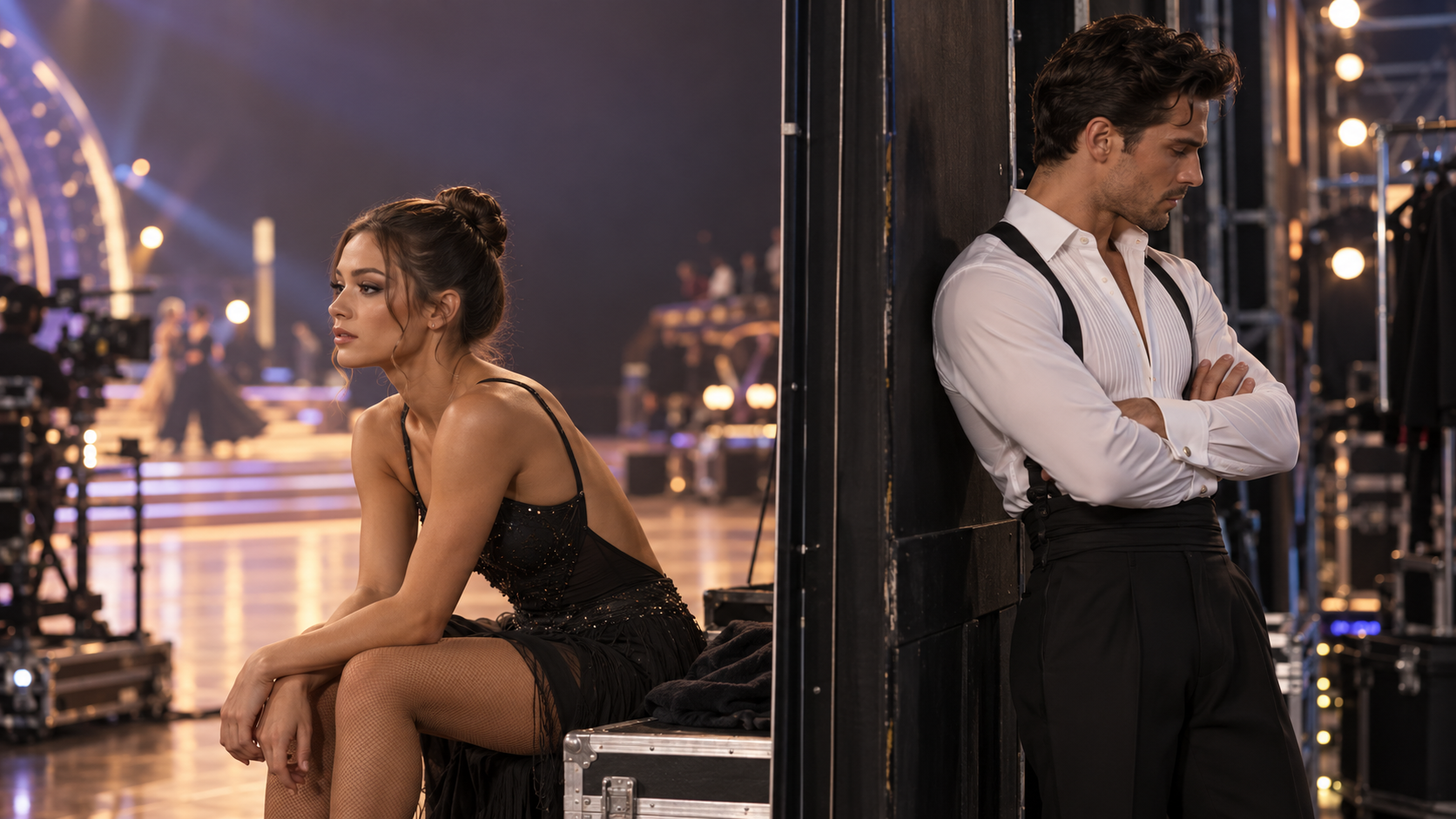 DWTS Feud Claim: What We Know About Carson and Ballas